
Plumber jobs in the United Arab Emirates keep popping up if you know where to look. I spent a couple years out there fixing pipes in high-rises and villas, so I've got some real feel for it.
Getting Started Out There
Most guys land roles through agencies that handle visas and placement. You need basic trade skills plus a certificate that shows you can handle water systems and drainage. From what I've seen, places like Dubai and Abu Dhabi always need hands for new builds and maintenance calls.
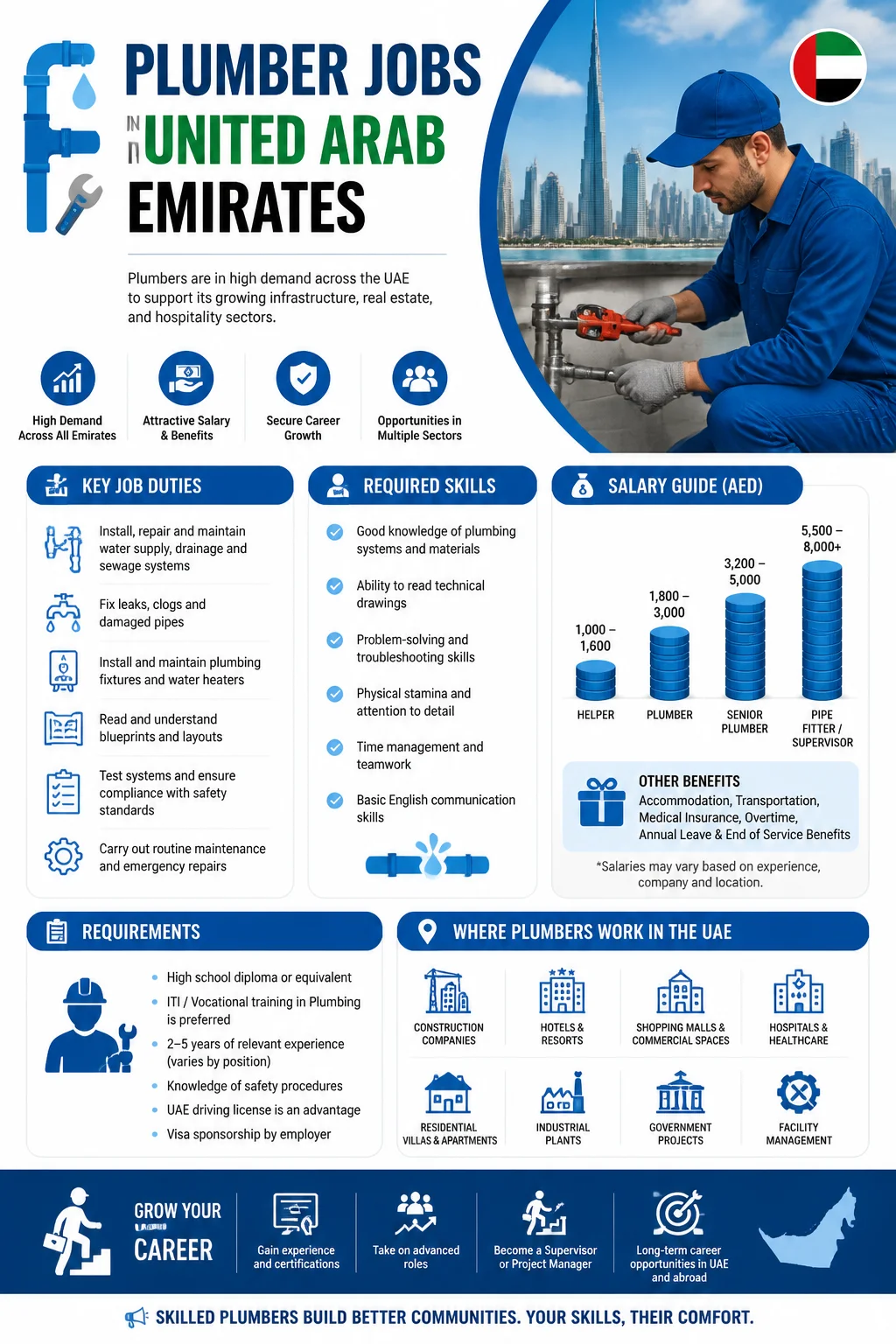
Pay starts around 3000 to 5000 dirhams a month for fresh arrivals, but experienced folks pull in more with overtime. Housing often comes with the job too, which helps a ton when rents hit hard.
What Skills Actually Matter
Know your way around PVC, copper lines, and those fancy German fixtures they use in fancy apartments. AC drainage leaks are constant headaches in the heat, so if you can sort those quick you're golden.
- Basic welding helps sometimes
- Reading blueprints saves time on big sites
- Customer service when dealing with residents
And honestly, speaking a bit of Arabic or Hindi gets you better tips on private jobs.
Where the Work Shows Up
Construction companies post openings regularly, especially around Expo areas or new residential zones. Maintenance teams in hotels and malls stay busy year round too. I remember one gig where we just chased leaks in a 40-floor tower for weeks straight.
Check sites like Bayt or GulfTalent first thing. They list plenty, but watch for the ones that promise free tickets and quick visas. Some turn out sketchy.
Real talk, networking at labor camps or through friends already working pays off more than online ads sometimes.
Visa Stuff and Daily Life
You'll get a work visa tied to the employer. Medical test and police clearance come first. Once you're in, the job often includes transport to sites, which beats fighting traffic yourself.
Days run long when it's 45 degrees outside. Start early, finish before peak heat. Some crews rotate shifts on big projects to keep things moving.
Not gonna lie, the money feels good after a few months but missing family hits different. Many guys head back after two years with savings.
Tools get provided on most sites, though bringing your own multimeter or basic kit makes life easier. Watch for sand getting everywhere though, it wrecks seals fast.