

Restaurant work in the UK - the real deal
I've spent years bouncing between kitchens and front of house spots across London and Manchester. Restaurant jobs here aren't just about slinging plates. They're chaotic, social, and sometimes the best way to earn while figuring life out.
Pay varies a ton depending on where you land. London spots often start around minimum wage but tips can push it way up on busy nights. Northern cities might pay a bit less but rent is kinder too. Not gonna lie, weekends and evenings are non-negotiable. That's when the real money shows up.
How to land your first gig
Walk-ins still work in smaller places. I got my first waiter role by just showing up with a CV during a quiet afternoon. Bigger chains want online applications though. Make yours simple - list any customer service stuff you've done before. They care more about whether you'll show up on time than fancy degrees.
Honestly speaking, having a food hygiene certificate helps straight away. It's quick to get online and looks good. References from old bosses matter too, even if it's just a retail job.
- Check Indeed and Caterer.com daily
- Join local Facebook groups for hospitality
- Ask staff at places you like eating at
Thing is, the best jobs often never get posted publicly. Word spreads in the industry fast.
Popular roles and what they actually involve
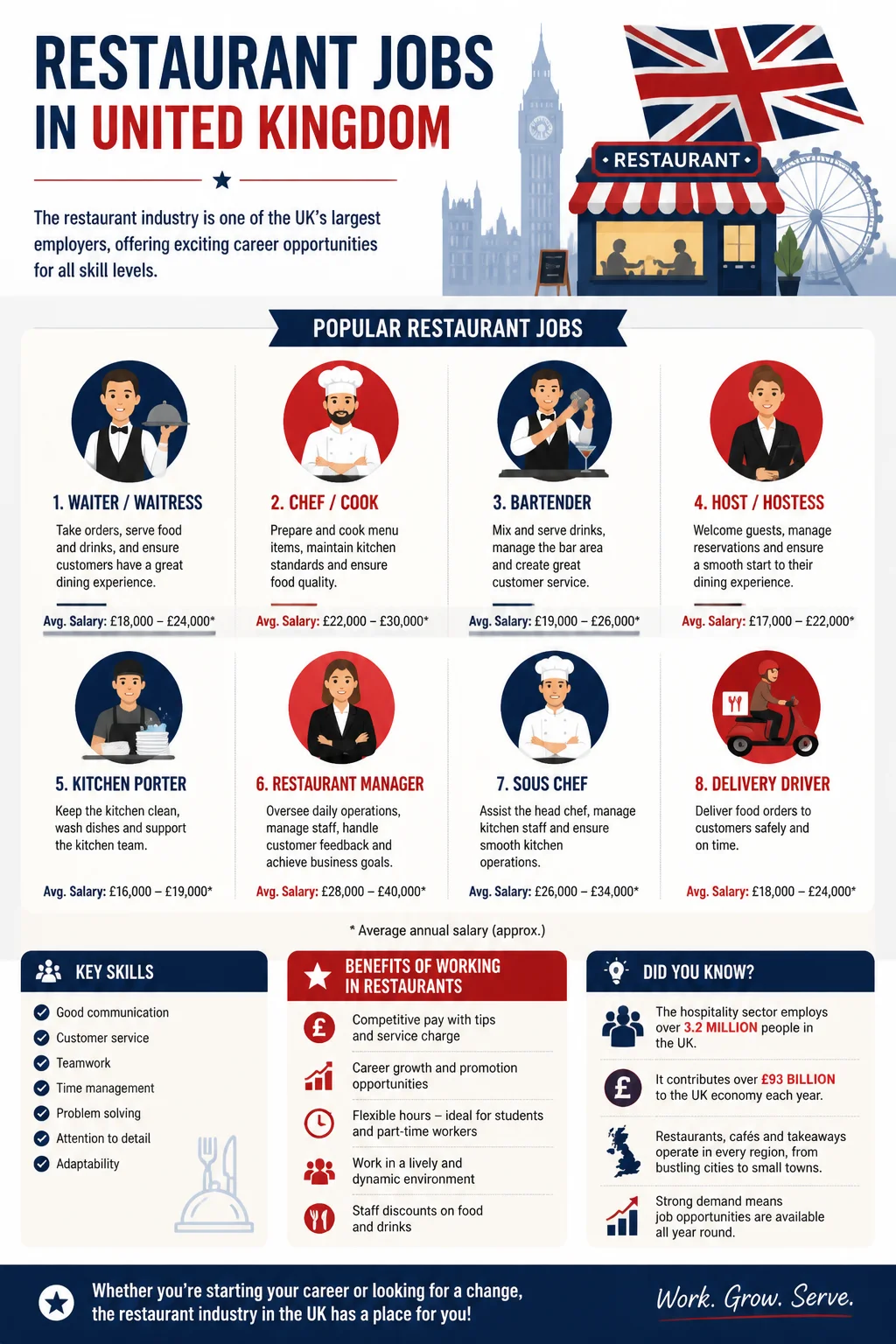
Waiting tables sounds easy until you're in the weeds with a full section. But regulars tip well once they know you. Kitchen porter roles are entry level and physical. You learn fast and sometimes move up to commis chef if you show interest.
Bar work mixes things up nicely. Shifts can feel shorter and you meet more people. From what I've seen, front of house tends to suit outgoing types while back of house rewards the quiet focused ones.
Supervisors and managers usually come from within. Stick around six months and opportunities pop up. I've seen people go from dishie to head chef in under two years when the right place clicks.
Money talk without the fluff
Base pay sits near minimum wage for most entry spots. Tips make the difference though, especially in good hotels or central London restaurants. Some places pool tips, others let you keep your own. Ask upfront during interviews.
Live-in options still exist in rural hotels or big country pubs. Free room and food cuts costs hard if you're just starting out. Not for everyone but it saved me when I first moved cities.
Exactly. Those little perks add up more than people admit.
Challenges you'll hit early on
Standing for ten hours kills your feet at first. Get decent shoes quick. Staff meals are often basic but free, which helps on long days.
Management can be hit or miss. Some places treat staff like family. Others just cycle through people. I've left two spots after a month because the vibe was off. No shame in that.
Breaks get skipped when it's busy. You learn to eat fast between services. Hydration matters too, especially in summer kitchens.
Where things are heading
More places now want weekend availability listed right on the ad. Flexibility wins. Part time roles exist but full time usually gets you better hours overall.
I've noticed seasonal spikes around Christmas and summer festivals. Those months you can rack up serious hours if you want them. Some folks do events on the side too.
Real talk though - burnout hits if you never take days off. Protect your weekends sometimes even if the money looks good.
And that's pretty much it from my side. The industry runs on people who show up and work hard. Everything else sorts itself out once you're in the door.