
So what are welder jobs really like in the UK
Plenty of folks ask about getting into welding over here. It's hands-on work that pays decent if you stick with it. I've chatted with welders who started in garages and ended up on big sites. Demand stays steady because buildings, ships and factories never stop needing fixes or new builds.
Thing is, not every welding gig is the same. Some days you're in a workshop all warm and dry. Other times it's out in the rain on a bridge or up on an oil rig in the North Sea. You pick what suits your tolerance for that stuff.
Pay you can actually expect
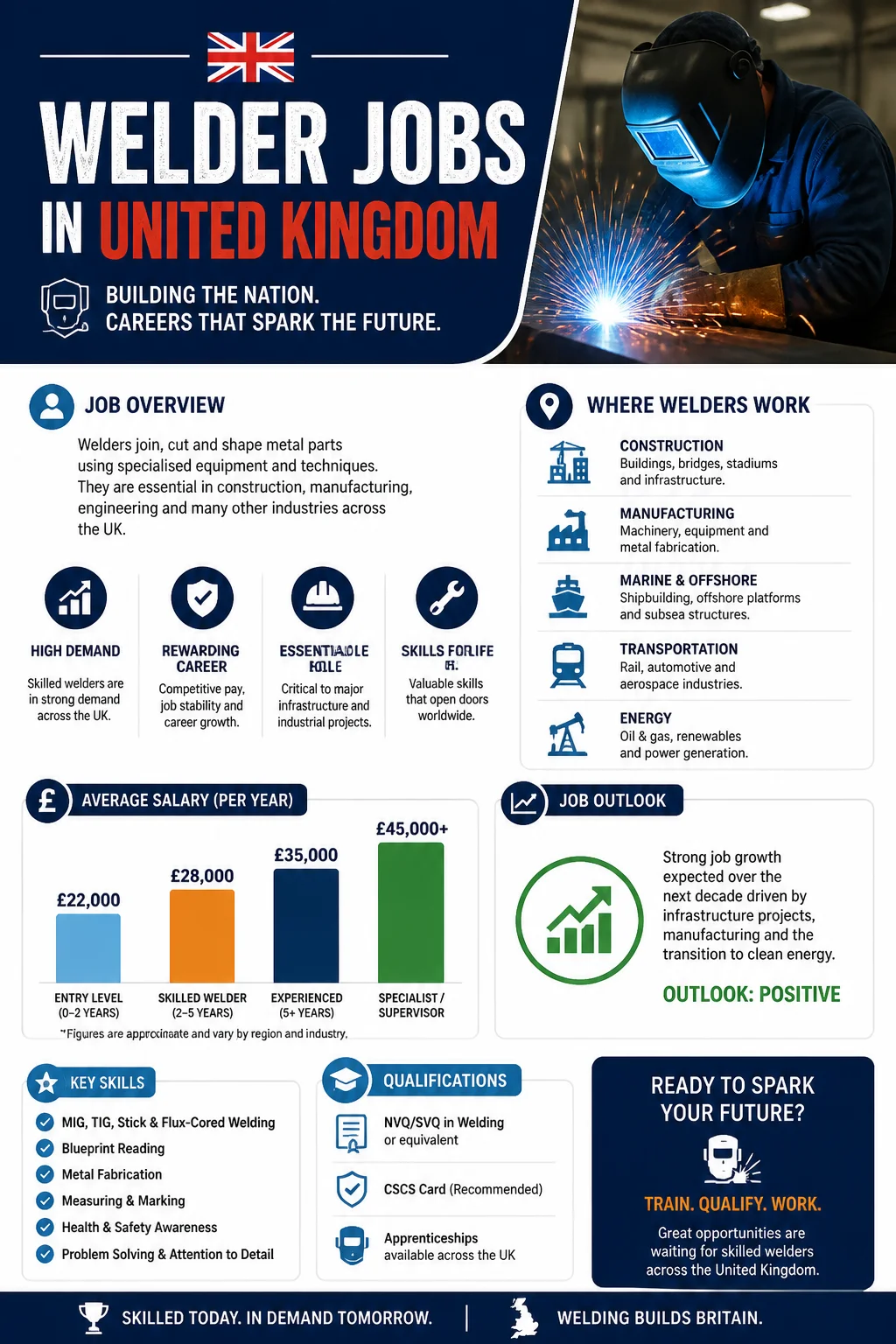
Starting out you might pull in twenty five grand. With a few years under your belt and the right tickets it climbs to thirty five or forty. Top end for specialists in London or on offshore runs hits fifty plus. Overtime and night shifts bump that up fast too.
But location matters a ton. Scotland and the north often pay better for the same work because fewer people want to live there. Down south the cost of living eats more of it. Not great for saving but the work is constant.
- Construction sites around cities
- Shipyards in the northeast
- Petrochemical plants
- Auto repair and custom fab shops
Skills and tickets that actually get you hired
Basic welding is one thing. Getting paid for it means you need the papers. Most places want at least a level two or three qualification from college. Then there's the coding tests like 6G for pipe work. Without those you're stuck doing the simple stuff forever.
Safety awareness is huge. They check your knowledge of hazards right in interviews. From what I've seen the ones who mention proper PPE and hot work permits stand out fast.
And don't forget reading drawings. If you can't follow a blueprint you're no use on bigger jobs. Practice that early.
Where the work shows up
Job sites change every month. Agencies handle lots of the contracts these days. Some lads stay with one company for years. Others hop around chasing the better rates.
Check the big recruitment boards but also talk to people already in the trade. Word of mouth still lands more gigs than anything online. Local colleges sometimes post openings too.
Offshore work is different. You need extra medicals and survival training. Pay is higher but you're away for weeks at a time. Not for everyone.
Getting started without wasting time
Apprenticeships are still the best route in. You earn while learning and the company often sponsors your tickets. College courses work if you already have some experience.
Practice at home or in a makerspace. Buy a cheap MIG set and mess around with scrap. It builds confidence before you show up for a real test.
Honestly the first year feels slow. You're the new guy doing prep work. Stick it out. Once you prove you can weld clean beads without burning through the money starts flowing.