
Getting Started with Electrician Work Here
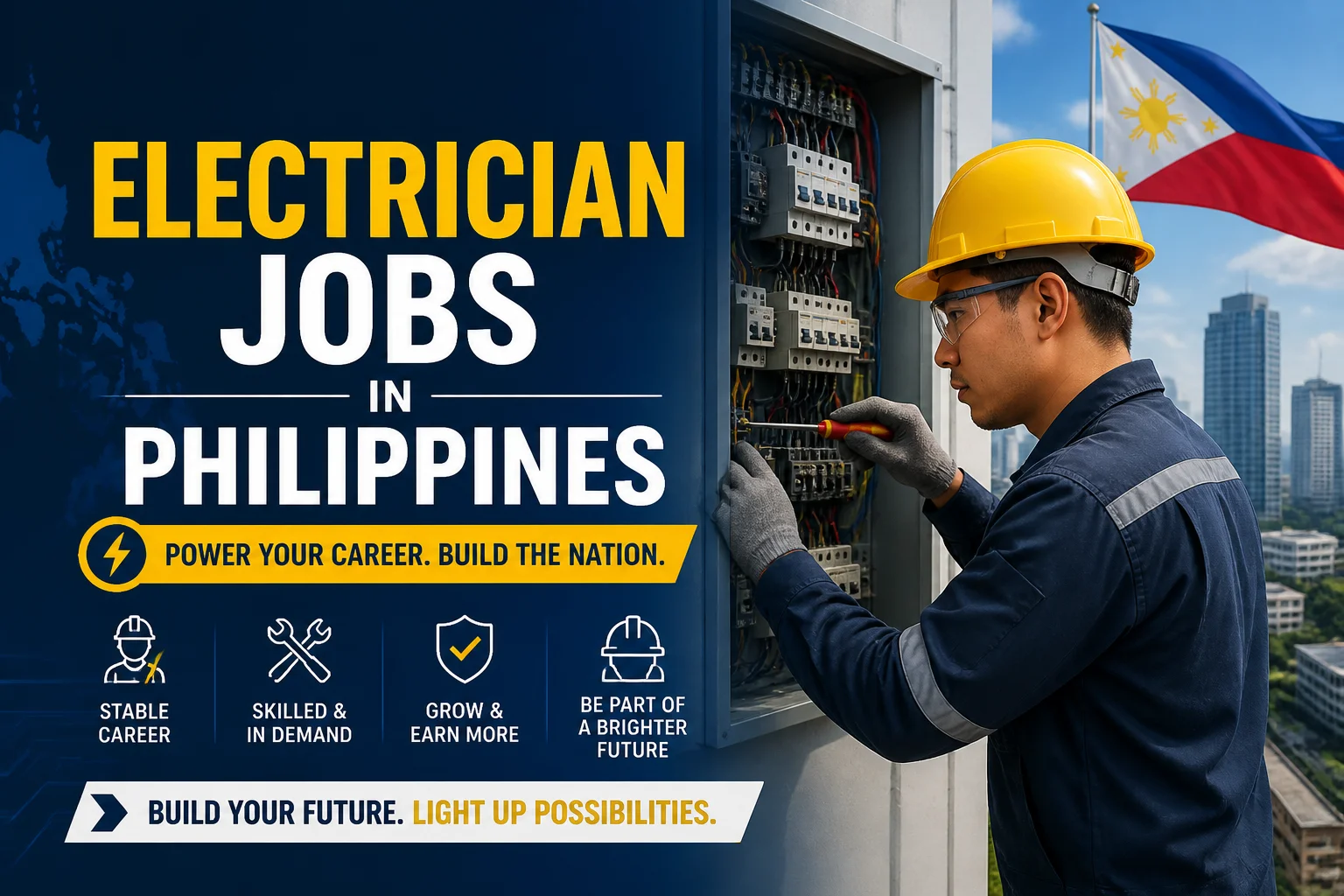
Electrician jobs in the Philippines aren't exactly glamorous but they pay the bills pretty well if you stick with it. From what I've seen working around Manila and Cebu, demand stays steady because houses and buildings keep going up everywhere.
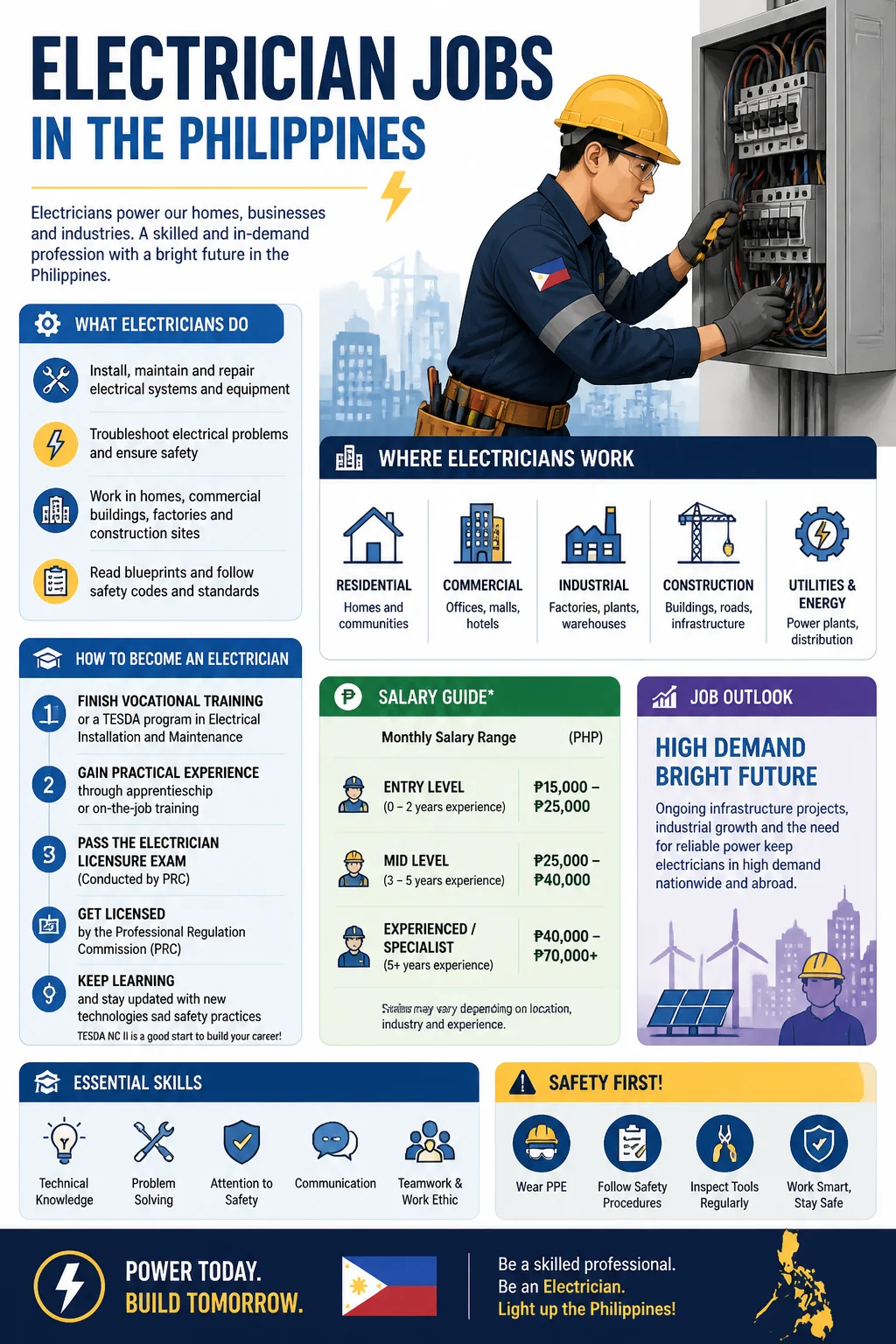
Thing is, you don't need a fancy degree. Most guys I know started with a TESDA course and some on-the-job training. That gets you the basics like wiring and safety stuff.
Pay and Hours in Real Life
Entry level might pull in around 15k to 20k a month. Experienced ones in bigger projects can hit 30k or more, especially if you do overtime. Not great compared to abroad but the cost of living here helps balance it out.
Hours? Usually 8 to 5 but construction sites can run longer. And yeah, rain or shine you are often out there.
Where the Jobs Actually Are
Big cities have more openings. Manila, Quezon City, Davao, and even Clark area pull a lot of commercial work. Rural spots need residential electricians more.
- Check online groups and Facebook pages for daily postings
- Walk into construction firms directly
- Try agencies that handle overseas but they often have local contracts too
Honestly speaking, knowing someone already on site opens doors faster than resumes alone.
Skills That Actually Matter
Beyond the basic tools you need to read blueprints and follow safety rules strictly. One slip and it's bad news. I learned the hard way on my first solo job when a simple shortcut almost caused a short circuit.
Specializing in solar or industrial stuff can bump your rate up. People are moving toward those now.
Look, certifications help but real experience talks louder. Keep learning new codes as they change.
Daily Realities No One Talks About
It's physical work. Your back and knees will remind you after a few years. Some days you are crawling in tight spaces. Others you are on ladders in the heat.
But there's freedom once you go freelance. Set your own schedule and pick projects. That's the part I like best.
Big difference between company jobs with benefits versus going independent. Both have ups and downs.