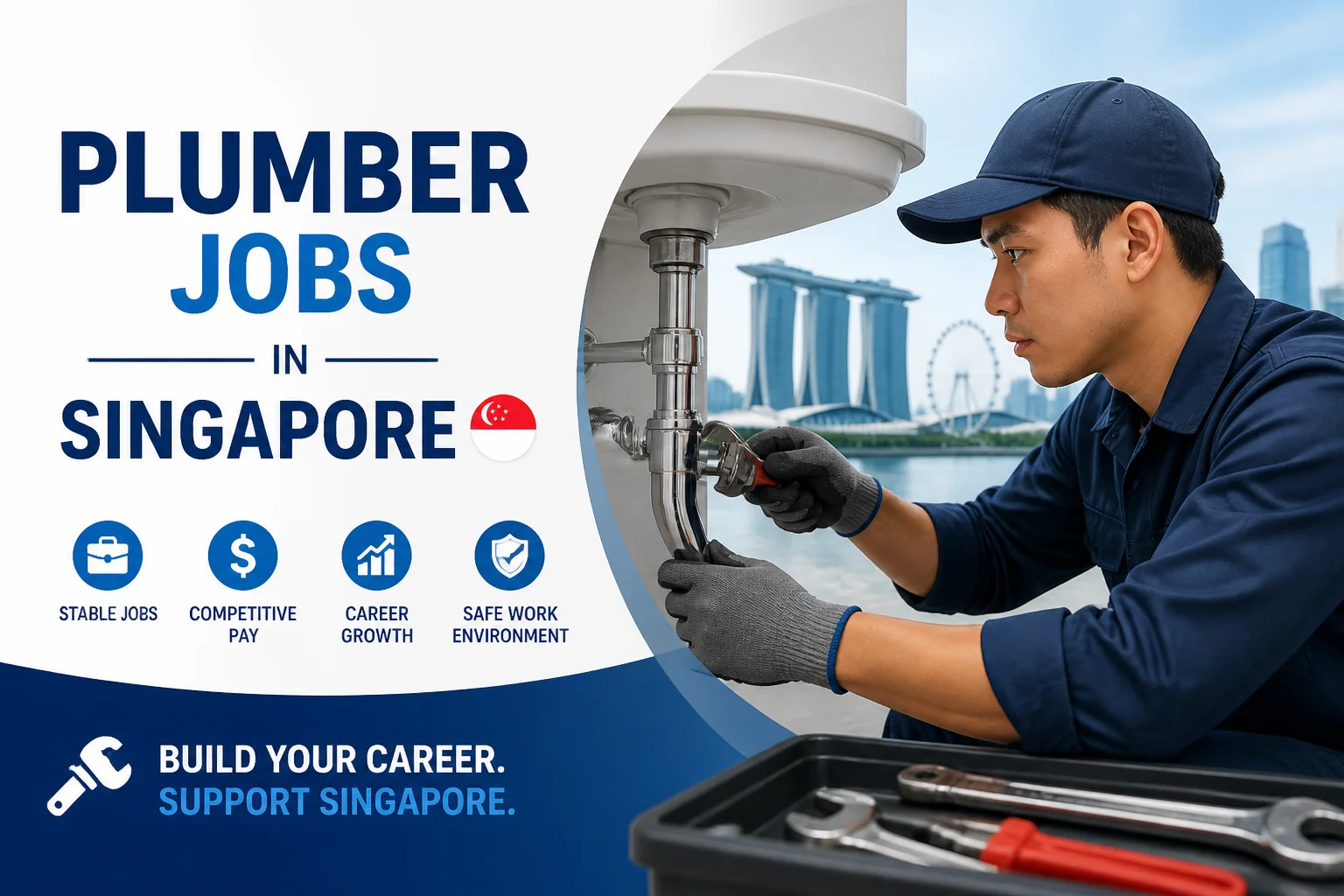

Plumber work in Singapore ain't what most folks picture
Look, if you're thinking about jumping into plumber jobs here, it's more than just fixing leaks. From what I've seen over the years, the scene mixes steady demand with some real grind. People always need pipes sorted, especially in those older HDB blocks and new condos popping up everywhere.
Honestly speaking, starting out means learning the ropes fast. You deal with clogged drains one day and full bathroom installs the next. It's hands-on stuff that keeps you on your feet.
Pay rates and what actually lands in your pocket
Entry level plumber jobs in Singapore pull around 2k to 2.8k a month. Experienced guys clear 3.5k easy, sometimes more with overtime. Big difference when you're handling commercial sites versus homes.
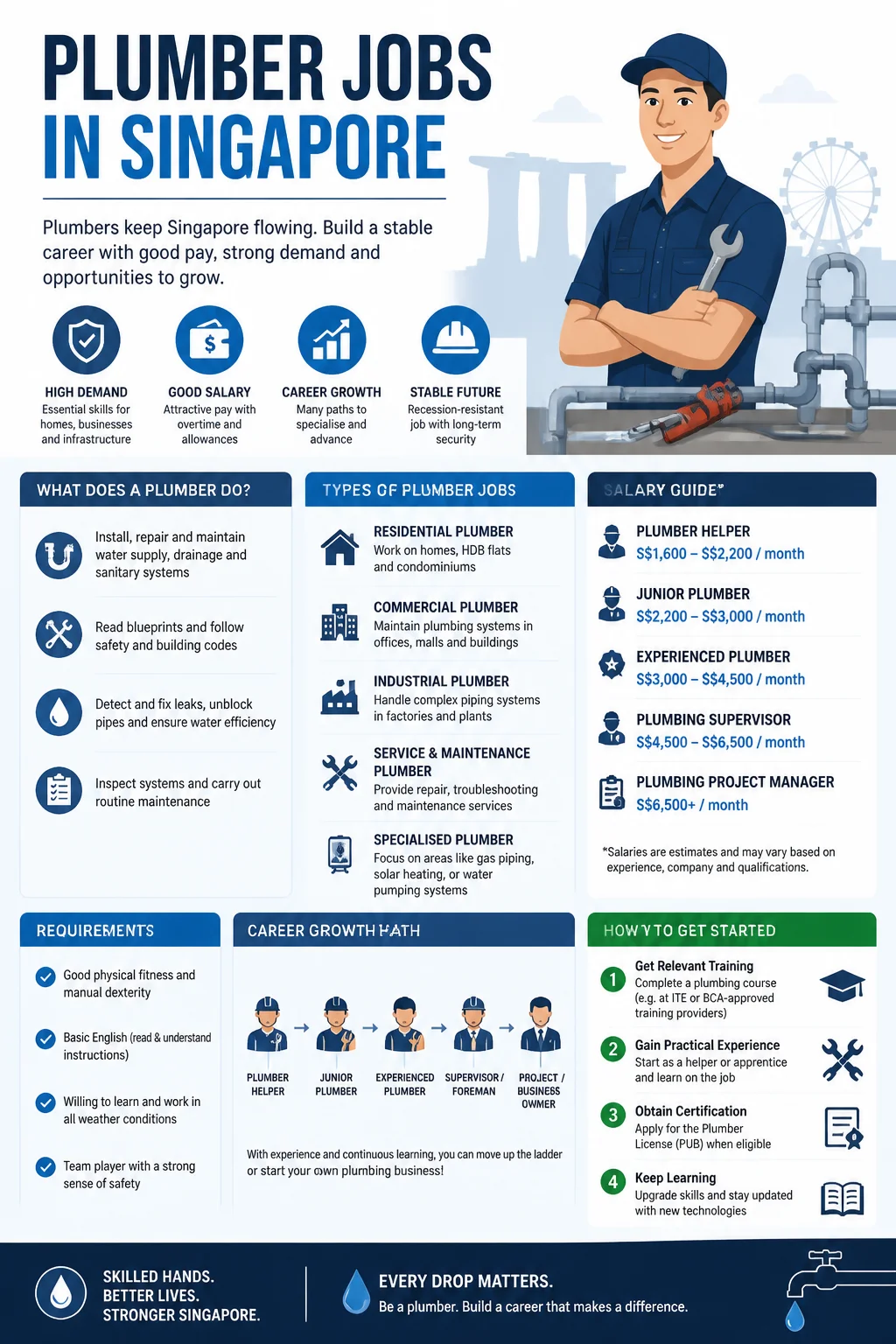
But overtime is where it adds up quick. Night calls or emergency fixes pay extra. I've heard from friends that some teams hit 4k plus during busy seasons. Not bad for trade work.
Thing is, it depends on your license too. Without proper certs, you're stuck at lower rates.
How to get started with the right papers
Singapore wants you licensed. BCA registration comes first for most roles. Then you chase the plumber license through PUB if you're touching water systems.
Training courses run at places like ITE. They cover basics to advanced. Costs a bit but pays off fast once you're working.
And don't skip the safety stuff. WSQ certs help you stand out when applying.
- Basic plumbing cert
- Water service license
- On-site experience hours
Real talk, some start as apprentices and learn on the job. That route takes longer but saves on school fees.
Job market right now feels pretty solid
Construction keeps booming. New builds mean constant demand for plumbers. Renovation wave adds extra gigs too.
Foreign worker rules changed things a bit. Local hires get preference in many companies. That's good news if you're a Singaporean or PR.
Agencies post openings all the time. Check JobStreet or FastJobs for fresh listings. Direct company sites sometimes have better deals.
Honestly, networking helps more than you'd think. Chat with guys at supply shops or on sites. Word spreads about decent bosses.
Daily grind and the not-so-glam parts
Mornings start early. You grab tools, head to site, and tackle whatever's broken. Some days it's straightforward. Others turn into full puzzles with hidden pipes.
Weather plays a role. Outdoor work in the heat drains you. But indoor jobs in tight spaces aren't much better.
Physical side is real. Bending, lifting, crawling under sinks. Keep fit or it'll catch up.
Yet the variety keeps it interesting. One week residential, next commercial. Never exactly the same.
Skills that actually matter on site
Technical know-how is key but so is reading people. Customers want quick fixes without drama.
Problem solving comes up daily. A leak might trace back to something unexpected. Experience teaches you the shortcuts.
Customer service counts too. Friendly attitude lands you repeat calls and tips.
And stay updated on new materials. PVC versus copper, smart valves, the works. Old methods don't always cut it anymore.
From what I've seen, those who pick up tech fast move ahead quicker.
Tips from guys already doing the work
Start with a small company to learn. Big firms move faster but teach less sometimes.
Build your own toolkit early. Quality stuff lasts and saves headaches.
Track your hours and jobs. Good records help when chasing raises or new roles.
Watch for burnout. Steady pace beats rushing every job.
Many say the best part is finishing a tricky job and seeing it work right. That satisfaction sticks.