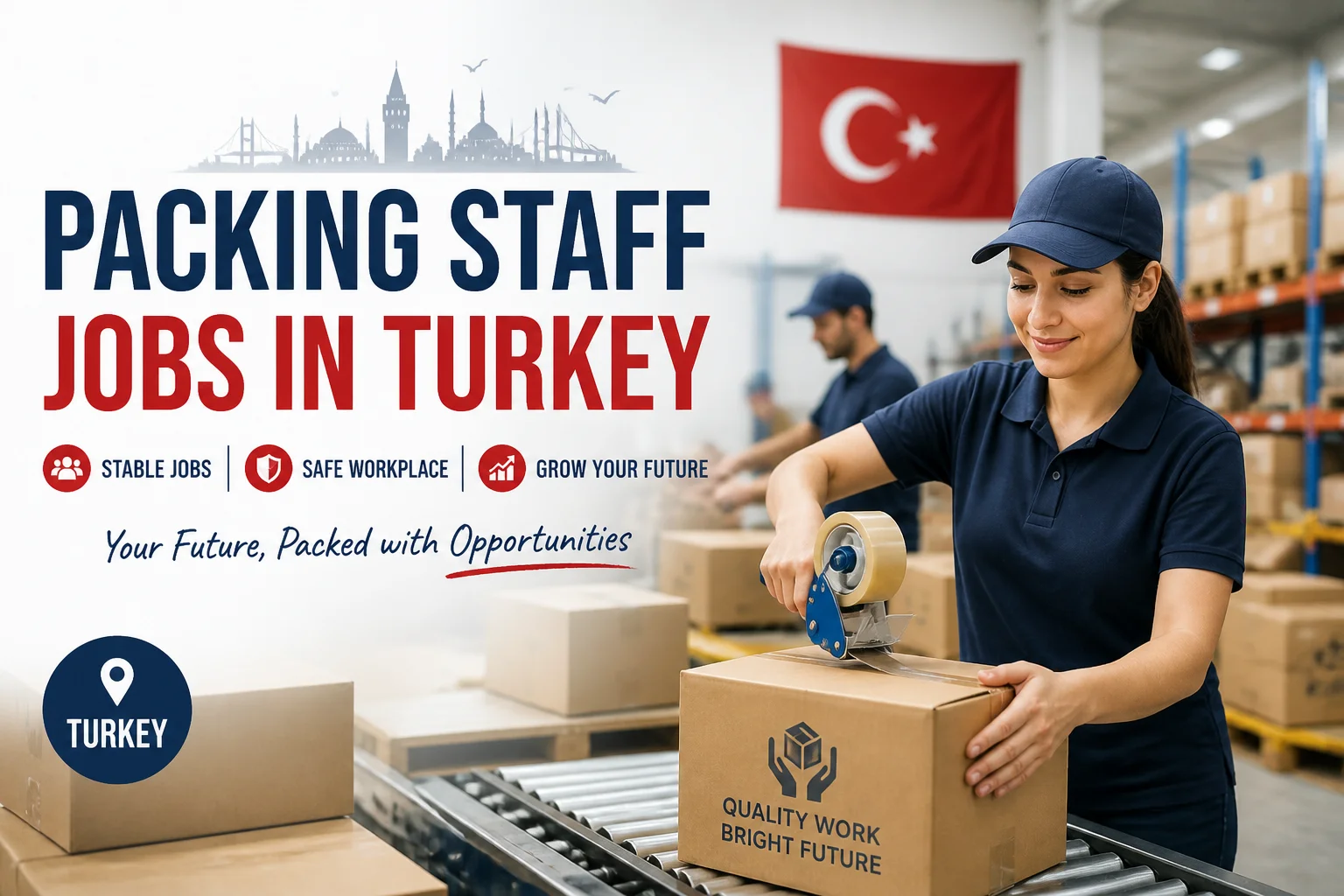

Starting Out in Packing Work
Packing staff jobs in Turkey pop up all over the place if you know where to look. From what I've seen warehouses in big cities keep needing people who don't mind standing on their feet for hours.
Thing is the work can feel repetitive fast. You grab items, box them up, slap on labels. Then do it again.
Pay and Hours in Different Spots
Pay varies a lot depending on the city and the company. Istanbul spots often start around the minimum wage but some factories throw in overtime that bumps it up nice. Ankara tends to run steadier shifts without as much night work.
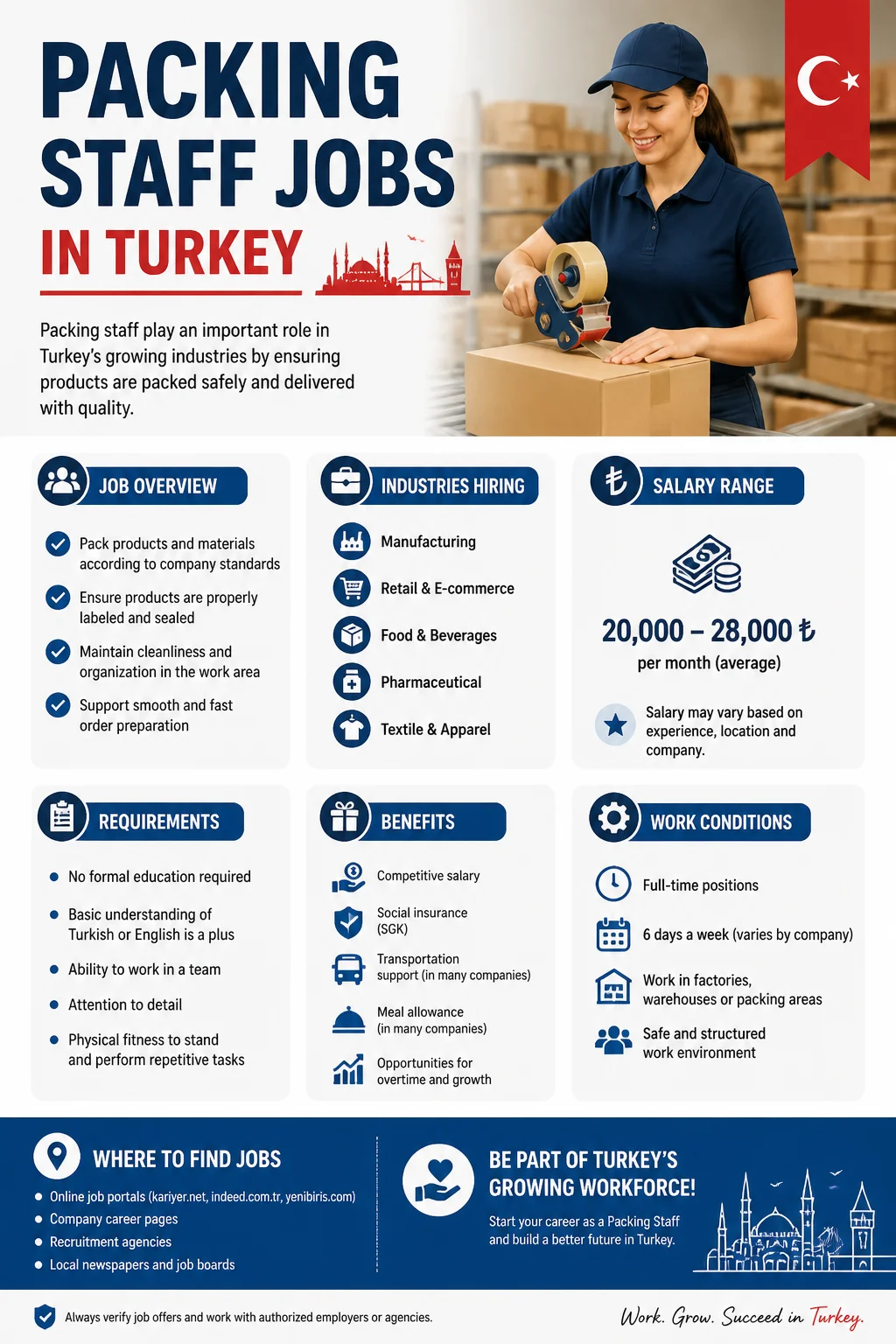
Honestly speaking eight to ten hours a day is normal. Breaks come every couple hours though and some places give free tea. Not great money for the effort sometimes but it beats nothing when you're just starting out.
Big difference if the job includes weekends. Double pay on those days adds up quick from my experience talking to folks who stuck with it.
Cities That Actually Have Openings
Istanbul has the most volume by far. Ports and distribution centers run nonstop so new packing positions show up weekly. Bursa and Izmir follow close behind with textile and food packing roles.
Smaller towns like Konya surprise you sometimes with seasonal factory gigs. They pay less but living costs drop too so it evens out for some people.
Look for industrial zones outside the main downtown areas. That's where the real hiring happens without all the commute hassle.
What Employers Want From You
Most places ask for basic physical fitness more than fancy degrees. Being able to lift thirty kilos repeatedly matters way more than school stuff.
Turkish helps a ton for daily instructions. Some spots take English only if you're in tourist areas but don't count on it.
- Passport and work permit ready before applying
- Simple medical check that covers back strength
- Flexibility for early morning starts
Age ranges wide. Plenty of young guys and women in their thirties doing the job without issues.
Finding These Jobs Without Wasting Time
Online boards work but you gotta check daily. Local Facebook groups for expats or workers often post faster than official sites.
Walk into warehouses near industrial parks. Sometimes they hire on the spot if they like your vibe during a quick chat.
Agencies can help too but watch the fees. Some take a cut that isn't worth it for entry level packing roles.
So many people skip the paperwork step and get stuck later. Get your permit sorted first even if it feels slow.
Daily Life Once You Start
Mornings hit early. You're usually clocking in by seven and the pace stays steady till lunch. Afternoons slow a bit but you still move boxes till the shift ends.
Teams form quick. People chat during breaks about everything from football to family stuff. It makes the day pass easier.
Physical toll shows up after the first week. Good shoes help a ton and stretching before shifts cuts down on aches.
Some places rotate tasks so you don't do the exact same motion every hour. Ask about that during interviews if it matters to you.
Pros That Keep People Around
Steady paychecks land on time most months. That's rare in other gig work.
Learning curve stays low. New folks pick it up in a day or two.
Opportunities to move up to supervisor roles exist if you show up reliable for a few months straight.
But the noise and dust in some warehouses bug certain people. Ear protection gets handed out though so use it.
Things Nobody Mentions Up Front
Standing all day messes with your legs if you're not used to it. Compression socks make a real difference from what guys on the floor told me.
Seasonal spikes around holidays mean extra hours and better bonuses. Plan for those if you want to save cash fast.
Colleagues come from all over. Some locals some from nearby countries. Makes for interesting lunch conversations at least.
Turnover runs high because the work wears on you. Stick around six months and managers notice the reliable ones.
Weather affects indoor spots less but loading docks can get cold in winter. Layers help.