
Getting Started with Welder Jobs Stateside
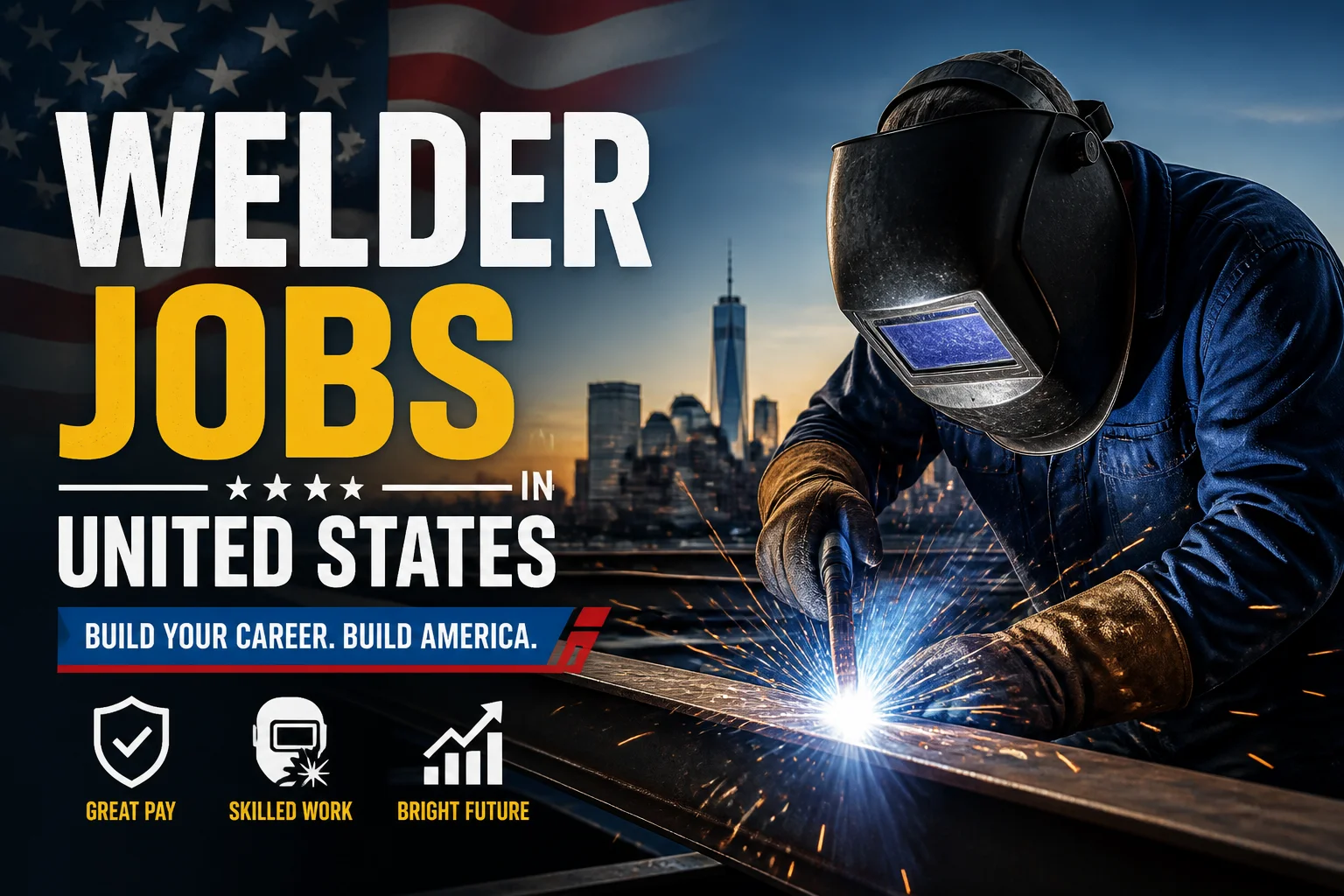
So you’re thinking about welder jobs in the United States. Honestly it’s not a bad move if you like working with your hands and don’t mind a bit of heat. From what I’ve seen over the years plenty of folks jump in after trade school or even just picking it up on the job.
Thing is the demand stays pretty steady. Construction booms. Manufacturing plants need repairs. Shipyards keep hiring. And oil fields still call for skilled hands even when prices dip.
Paychecks and What They Actually Look Like
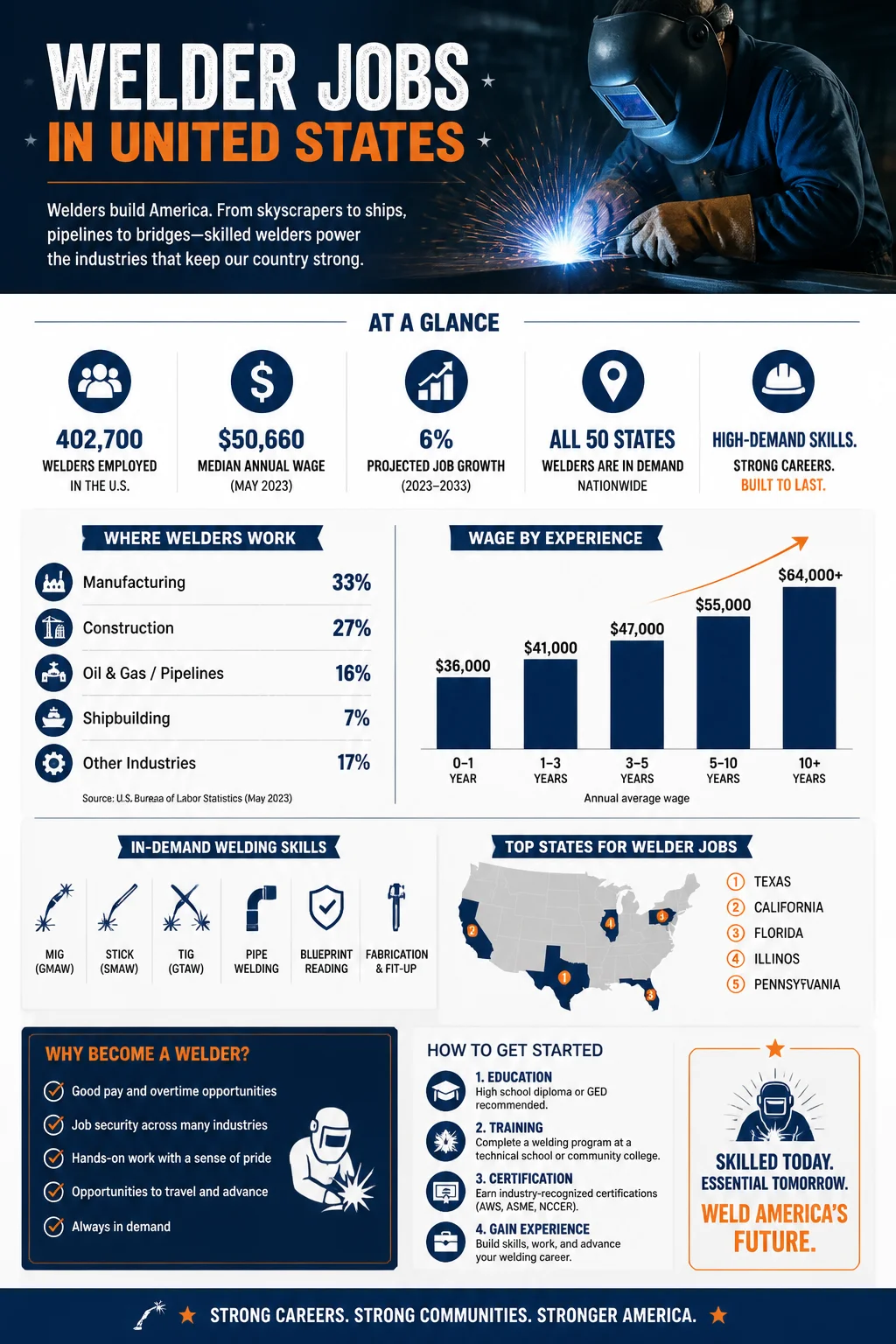
Average hourly rates hover around twenty five to thirty five bucks depending on where you land. But experienced TIG welders in places like Texas or North Dakota can pull forty plus with overtime. Not gonna lie, the real money shows up when you’re willing to travel or work shutdowns.
Benefits matter too. Union shops often throw in solid health coverage and pensions. Non-union gigs might pay a little higher hourly but you’re on your own for retirement stuff. I’d say check both before signing anything.
Where are the hot spots right now? Texas, California, and the Gulf Coast states keep posting openings. Midwest factories need people too. Sometimes smaller towns in Wyoming or Montana surprise you with good paying pipeline work.
How to Break Into the Field
You don’t always need a four year degree. A solid welding certification from a community college or trade school opens doors fast. AWS certification carries weight with a lot of employers.
Start with the basics. MIG and stick welding get you hired quickest. Then layer on TIG if you want better gigs later. Practice on your own time. Employers notice clean beads more than fancy talk.
Entry level positions sometimes come with on the job training. Show up on time, stay safe, and ask questions. That’s usually enough to move up within a year or two.
- Look for apprenticeships through local unions
- Check job boards for fab shops and construction companies
- Consider traveling crews if you like seeing different places
Real talk though the work can be tough on the body. Long hours standing. Fumes if ventilation isn’t great. But plenty of welders do it for decades with the right gear and habits.
Common Questions People Ask
Is it hard on your eyes and lungs? Yes if you skip the mask and respirator. Good habits fix most of that.
Can you make a living without traveling? Sure in bigger cities with steady manufacturing or ship repair work.
What about robots taking over? They handle repetitive stuff but custom work and repairs still need human welders.
From my experience the people who stick with it longest treat it like a craft instead of just a paycheck. That mindset shows in their work and bosses notice.